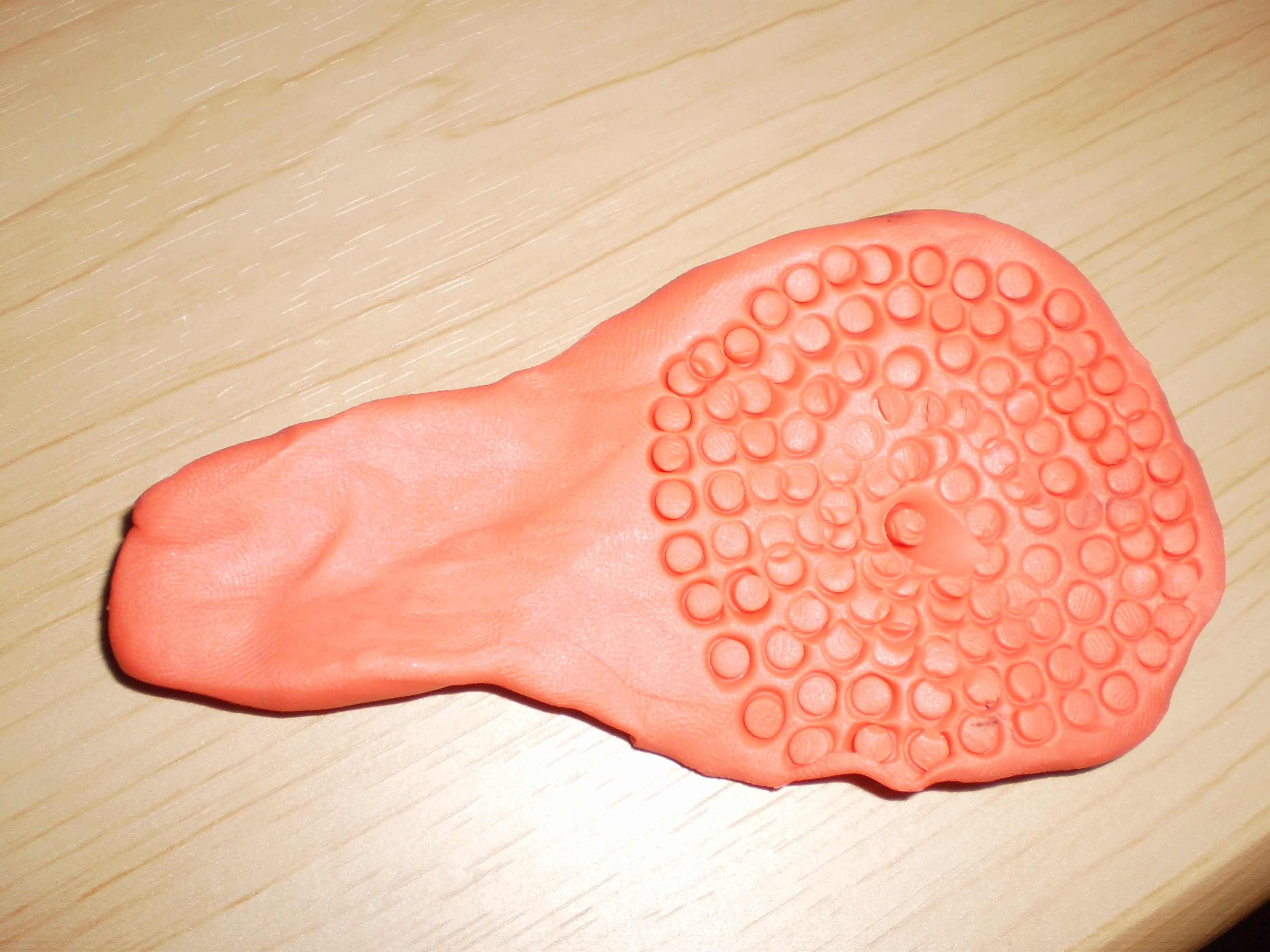
Organogenesis
How do you get a fully functional fruit fly that is able to see, walk, fly, eat and reproduce from a pupa?
During the transition from the pupa to an adult fly, known as metamorphosis,the imaginal discs, that were formed during embryogenesis, begin to differentiate into structures that the adult fly needs in order to survive and reproduce.
This change in cell structure is what is known as organogenesis, where the key functional units of the future adult body plan are laid down.
Eye development
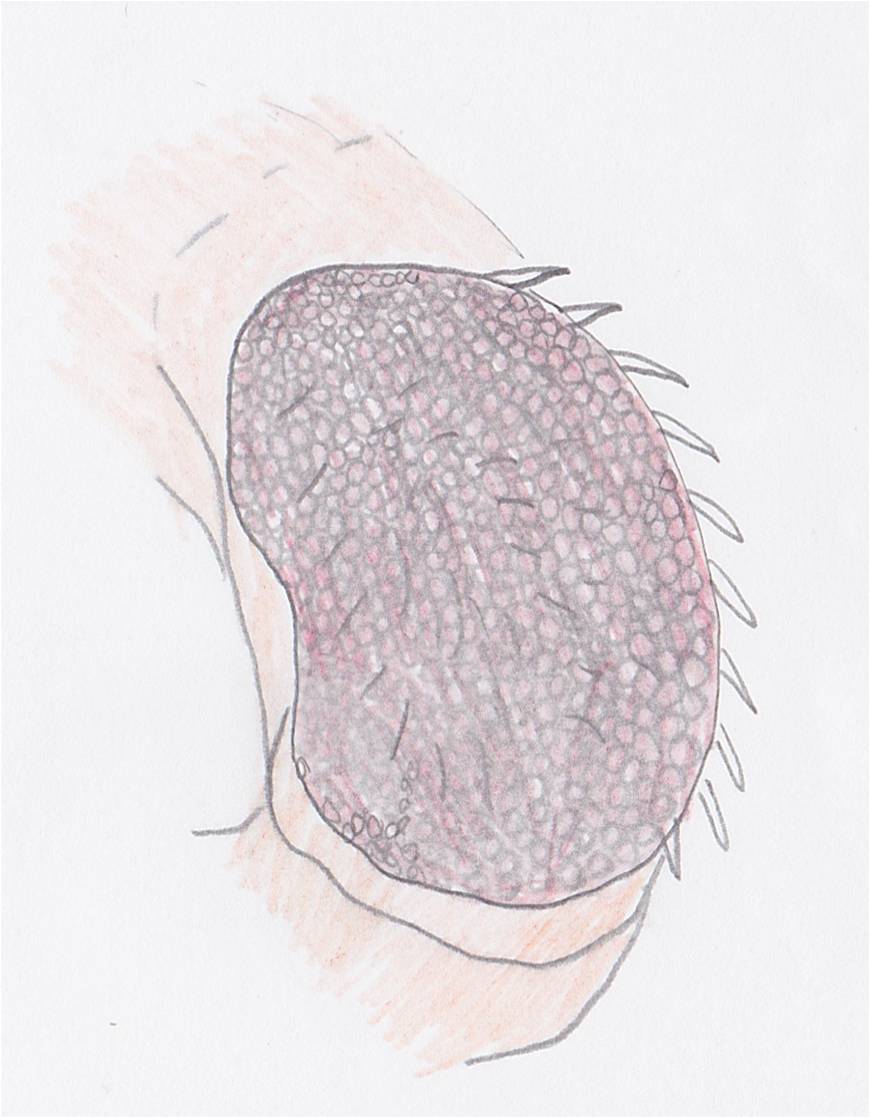
Drosophila has approximately 800 units called ommatidia that make up the eye.
each ommatidium is arranged in a hexagonal form and includes the 8 photoreceptive neurons called rhabdomeres (R1 -R8) that enable the fly to see UV light and detect motion. Drosophila also has 4 cone cells and 8 pigment cells.
To find out how the rhabdomeres form from a single layer of epithelial cells (imaginal disk) click the image below.
Leg formation
The Drosophila leg forms from an imaginal disc similar to the imaginal disc that produces the eye but is formed in the in parasegments of the thorax.
Click on the image for more information.