
Life cycle
The life cycle of Drosophila lasts for approximatly 10 days, depending on the temperature the larvae is incubated at.
Because of this short life cycle scientists have been able to easily follow and map the entire patterning of the immature fruit fly, from the role the maternal mRNA plays in patterning the antero-posterior axis to how the vital organs are formed.
Below is a cartoon that shows the life cycle, further reading is available via the links below.
How Drosophila goes from a fertilized egg to an adult fruit fly.
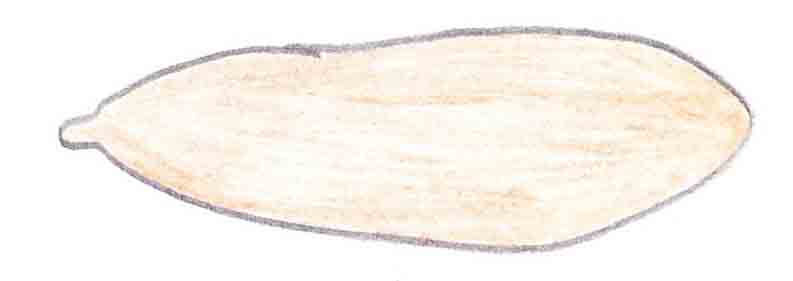
Before the egg becomes fertilized there is already a degree of polarity between the anterior and posterior ends.
Click here for information on maternal genes

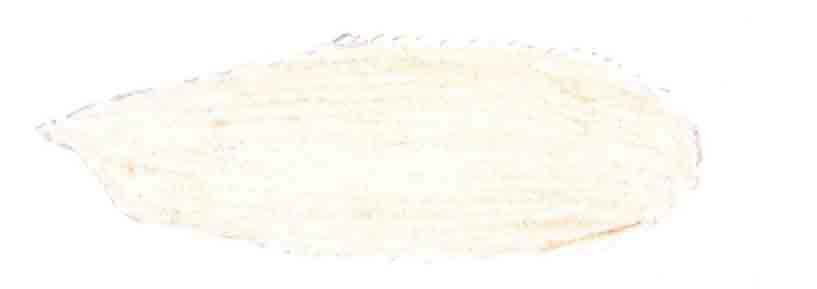
Syncytial blastoderm
fertilized egg undergoes a series of mitotic divisions, pole cells migrate to become future gonads.
Click here for more information on gamatogenesis
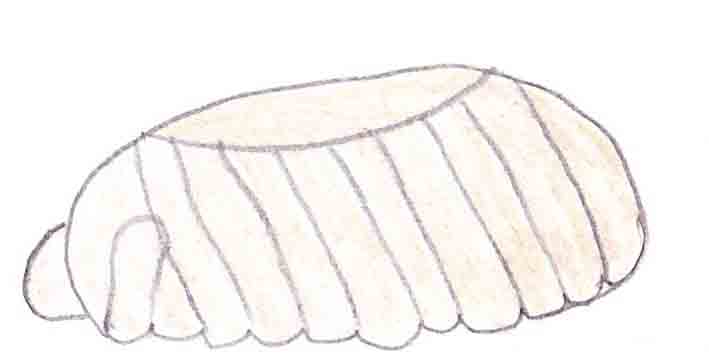
Syncytial blasoderm undergoes gastrulation to form an embryo
Click here for more imformation on patterning the embryo
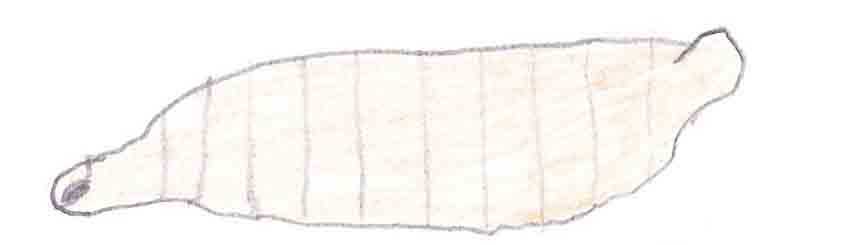
embryo undergoes hatching
1st instar
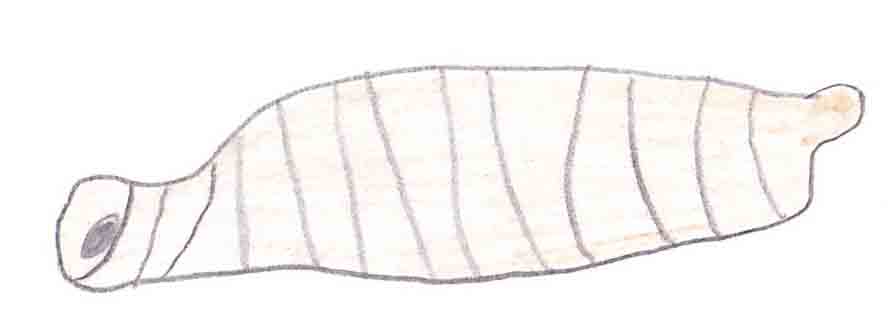
2nd Instar
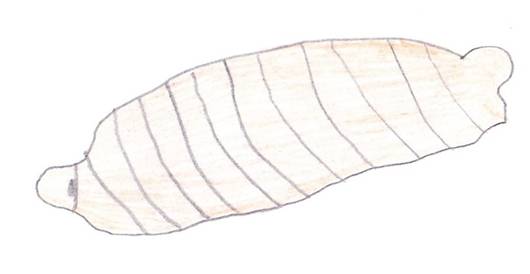
3rd instar
larvae goes through 2 molting stages, where it sheds its cuticle.
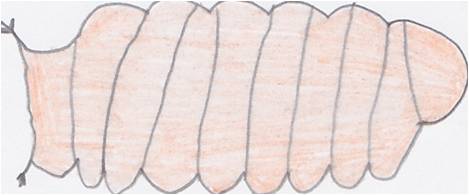
Pupa goes through metamorphosis
Click here for more information of Organogenesis
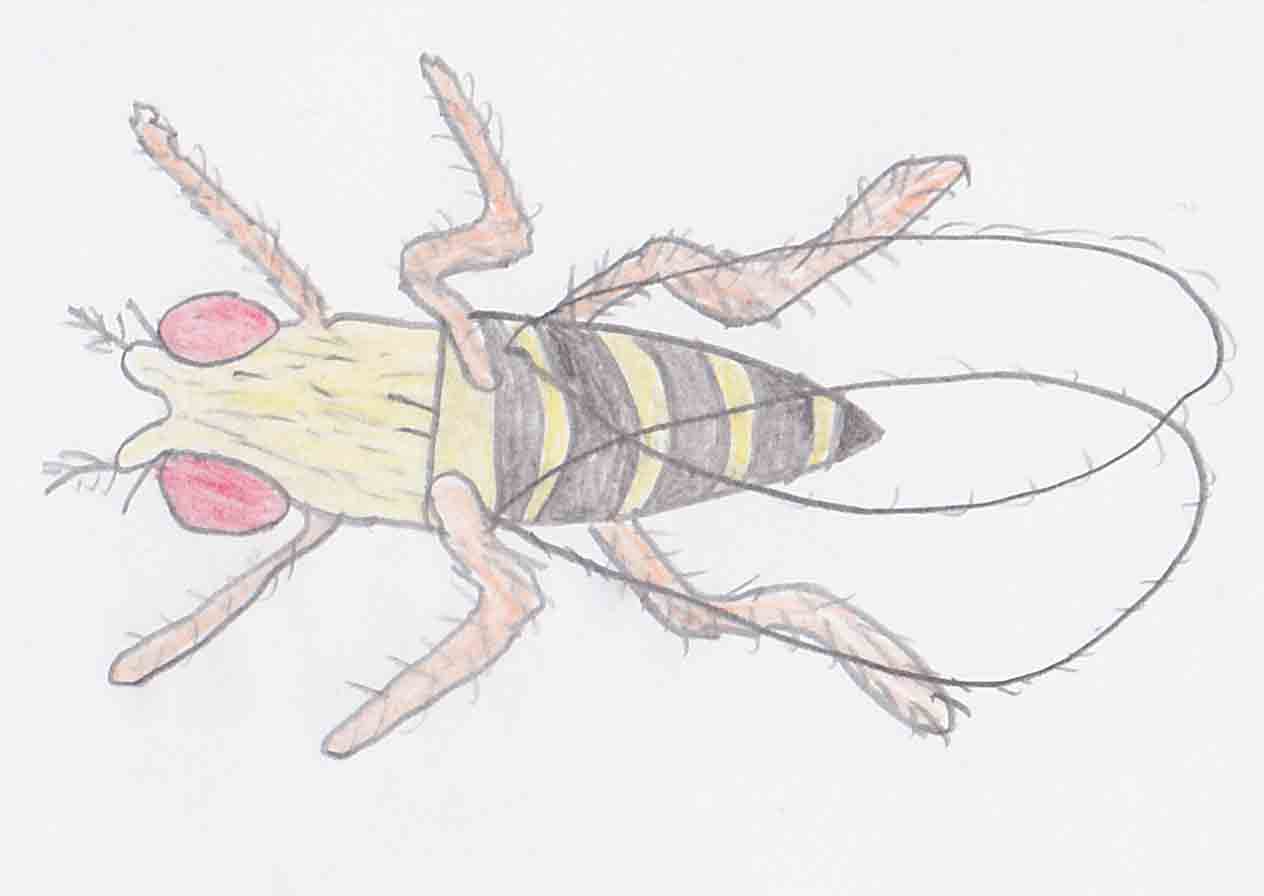
Drosophila adult fly, complete after just 24 hours.
The life cycle with then start again for the second generation.